


The cultural history of scarves: from tradition to modern elegance | AV08 Paris
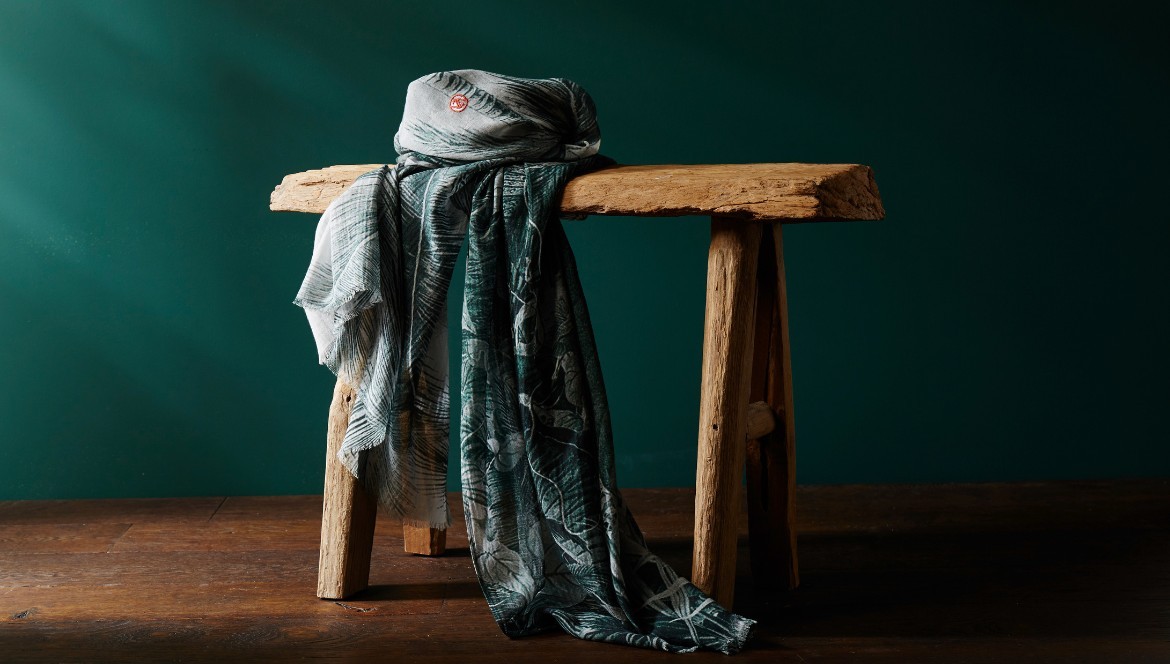
An iconic accessory of nomadic cultures, the scarf has traversed centuries and continents. From North Africa to the Middle East, it protects, identifies, and tells a story. Discover its cultural significance, evolution, and heritage, now reimagined with elegance by AV08 Paris.
Originating from North Africa, particularly the Maghreb, the scarf is a cotton or wool cloth worn on the head to protect against the sun, dust, and wind.
Long associated with nomadic desert cultures such as the Tuareg (the blue scarf) or Fulani, this accessory gradually spread across Arab countries, eventually becoming a symbol of political resistance and an identity marker.
AV08 Paris explores the origins of this accessory in this article.
The historical and symbolic significance of the scarf
From a historical perspective, the earliest scarves date back to pre-Islamic times, primarily worn by Berber tribes who adopted a nomadic lifestyle.
For Arabs, these fabrics were an integral part of their tradition and religious practice.
With the expansion of the Arab Empire in the Middle Ages, the scarf crossed African and Asian borders, gaining international recognition. It became an emblem of religious and ethnic belonging for its wearers.
In the 20th century, the scarf experienced a resurgence with independence movements and national revolutions. Worn by anti-colonial activists and fighters in the Algerian War, the accessory became a symbol of resistance against Western domination.
Even today, in some regions of the Maghreb and the Middle East, the scarf is claimed as a marker of identity and culture, affirming their distinctiveness in the face of globalization.
Wearing the scarf to mark ethnic belonging
The colors and patterns of the scarf are chosen based on the wearer’s region of origin.
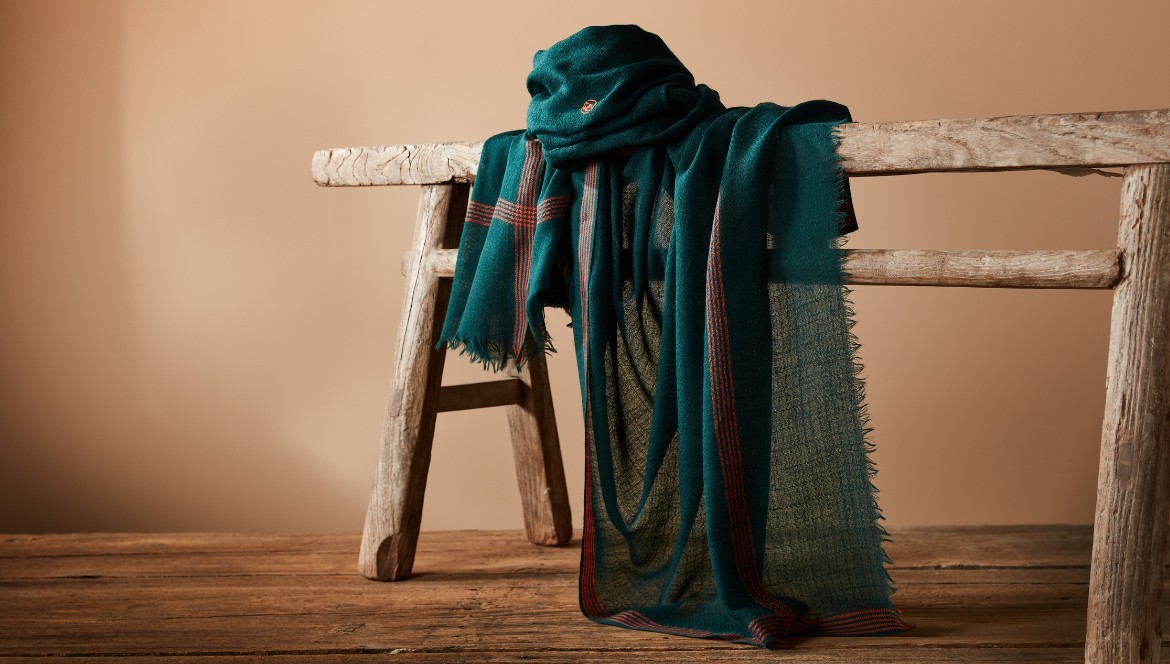
In some Arab countries, particularly in North Africa and Palestine, the scarf is made of wool and features geometric patterns typical of these cultures.
Other peoples, in Central Asia or Iran, opt for a cotton scarf in pastel and vibrant shades.
The democratization and adaptation of the scarf in Western fashion
In recent years, the scarf has also established itself as a fashion trend.
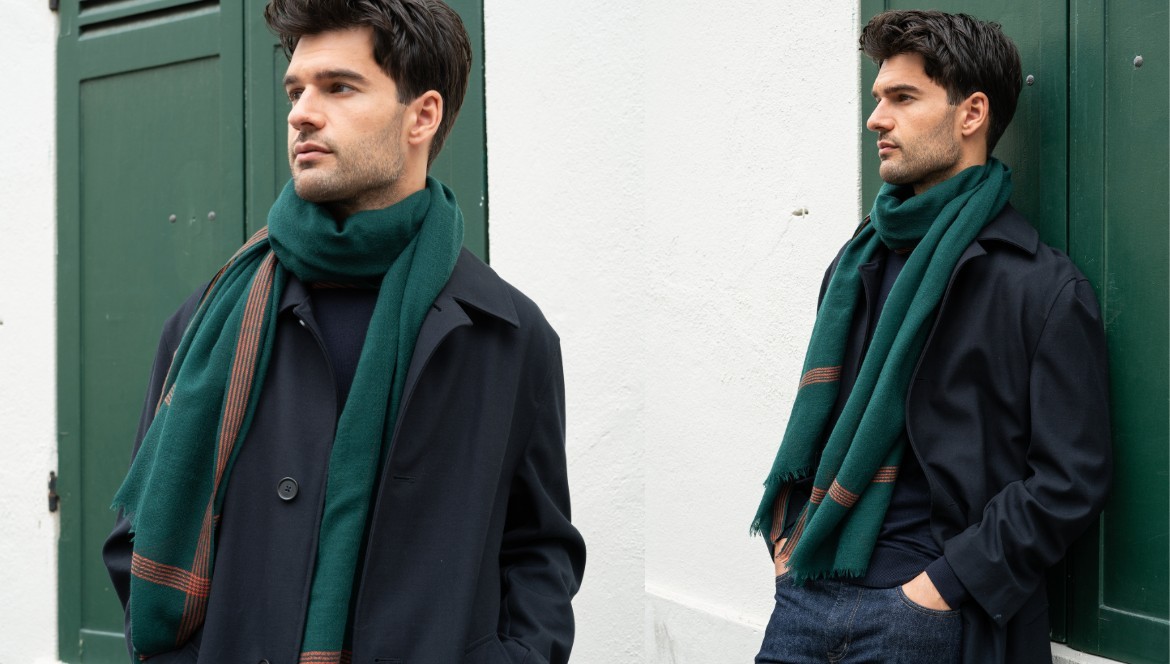
The traditional scarf has won over international designers, who have embraced the phenomenon to create reinterpreted pieces, often with lighter materials and refined finishes.
This explains why today, there is a vast selection of scarves available at equally diverse prices, ranging from handmade models to industrial products.
Around the world, many people wear the scarf simply as a fashion accessory or to express solidarity with the causes defended by certain communities that wear this item.
Conclusion
The scarf, though closely associated with North African cultural heritage and certain political movements, has multiple facets. It serves as protection from the elements, a statement of identity, and even a simple aesthetic trend.
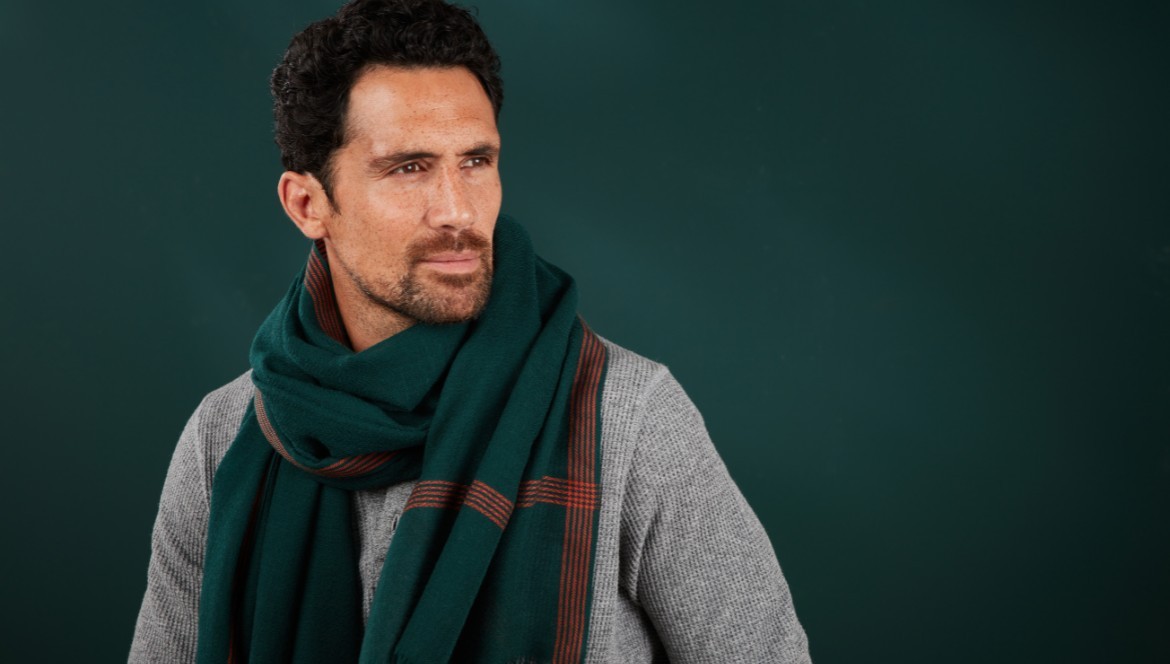
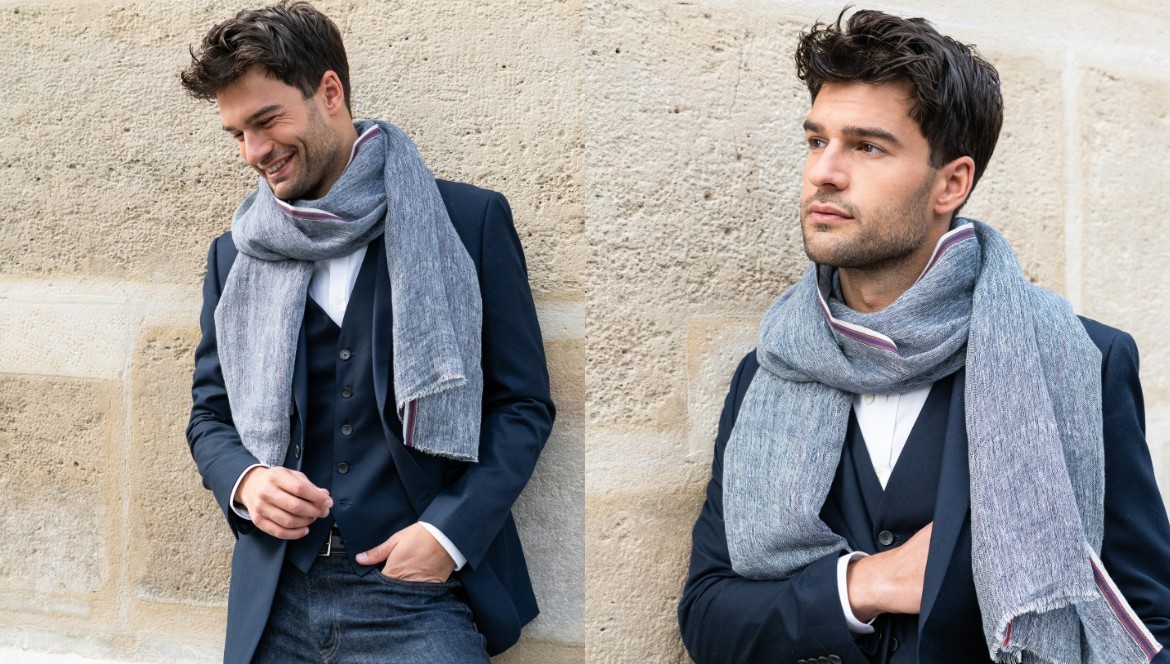
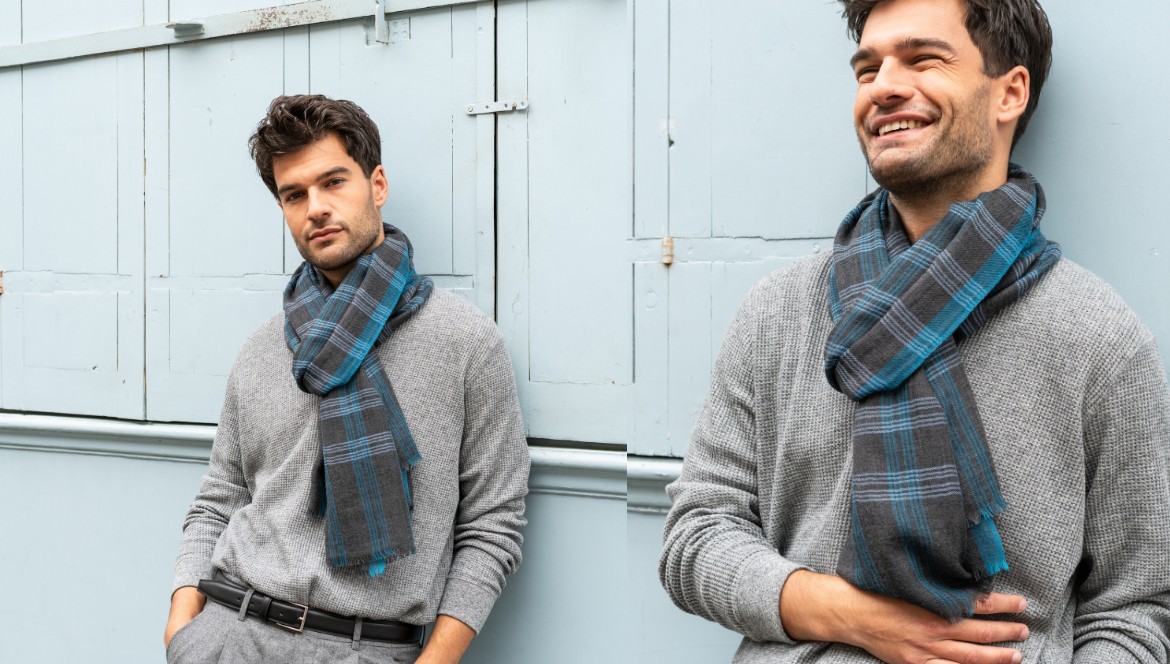
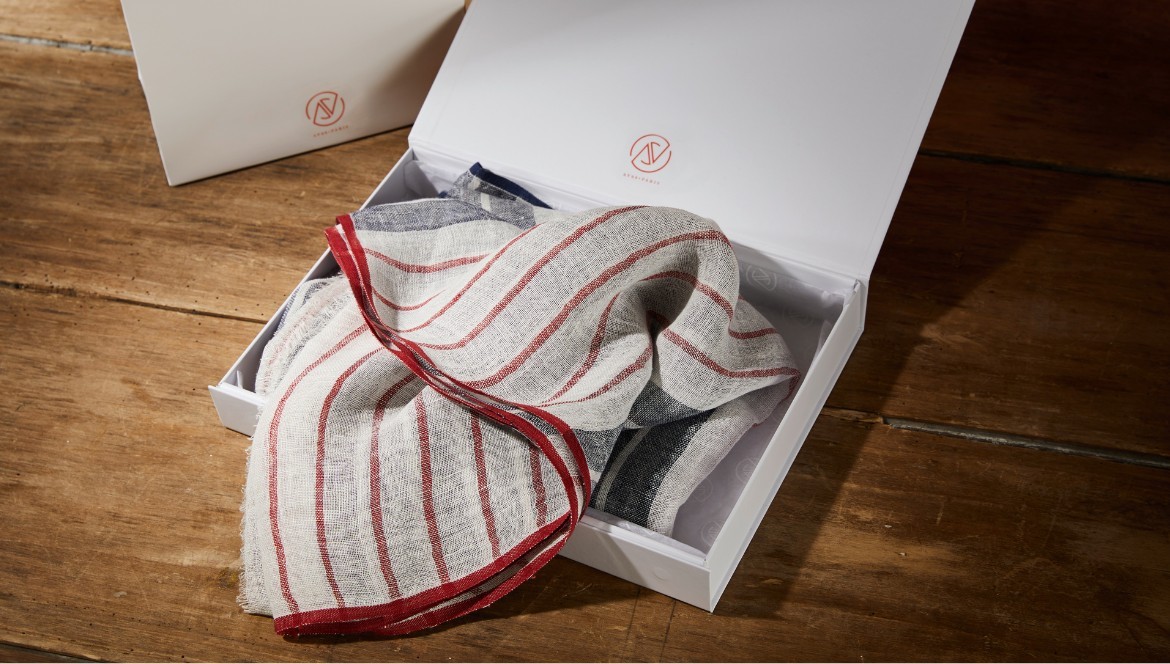
Feel free to explore our various models, from cotton to linen, on our website to achieve a modern and stylish look.


Comments
No comment at this time!
Leave your comment